
Stage Your Home for £50 and Sell in Half the Time
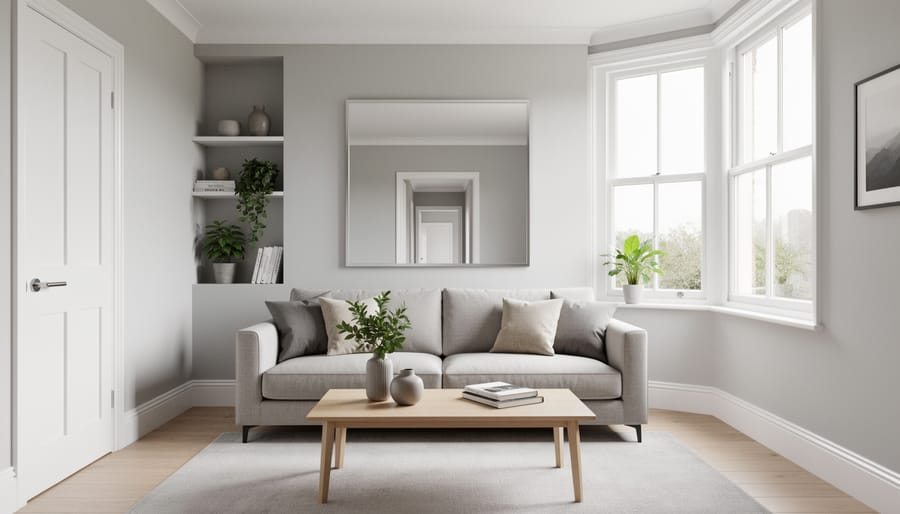
Declutter ruthlessly by removing at least one-third of your furniture and personal items to make rooms feel 20-30% larger—a crucial factor when Property Saviour research shows buyers decide within the first 90 seconds. Deep clean every surface, paying special attention to grout, skirting boards, and windows, which costs nothing but can add thousands to your perceived property value. Repaint scuffed walls in neutral magnolia or soft grey using budget paint from B&Q or Wickes for under £15 per room, instantly modernising tired spaces. Replace dated cabinet handles, light switches, and door knobs with modern brushed nickel alternatives from Screwfix for £2-5 each—small changes that signal a well-maintained home to UK buyers. Maximise natural light by removing heavy curtains, cleaning windows inside and out, and positioning mirrors opposite windows to bounce light around rooms, making spaces feel more valuable without spending a penny.
Why Home Staging Actually Works (Even on a Tight Budget)
You’ve probably heard that first impressions matter, but when it comes to selling your home, the numbers really back this up. Research shows that potential buyers make up their minds about a property within the first 7 to 10 seconds of walking through the door. That’s barely enough time to hang up your coat, yet their brains have already decided whether this could be their future home.
Here’s the brilliant news: staged homes in the UK sell 73% faster than unstaged properties, according to industry data. They also tend to achieve prices that are 1-5% higher than comparable unstaged homes. On a £250,000 property, that could mean an extra £2,500 to £12,500 in your pocket, which is pretty significant when you’re working with a tight budget.
But why does staging work so well? It’s all about helping buyers picture themselves living in your space. When rooms are cluttered or stuffed with your personal belongings, viewers spend their mental energy trying to look past your things rather than imagining their own. A staged home feels like a blank canvas they can mentally move into.
Think of it this way: you’re not trying to impress them with expensive furniture or designer touches. You’re simply removing the distractions and creating a welcoming environment that lets them fall in love with the actual space, the natural light, and the potential. Even simple changes like decluttering, adding fresh flowers, or rearranging furniture can trigger that emotional connection that turns casual viewers into serious buyers.
The £50 Staging Kit: Everything You Need to Get Started
You don’t need to spend a fortune to transform your home for potential buyers. Here’s a practical shopping list that’ll get you started for around £50, with everything available at your local Poundland, Wilko, B&M, or supermarket.
Start with a proper deep clean kit (£10-12). Grab multi-purpose cleaner, glass cleaner, bathroom descaler, and microfibre cloths. A clean home is the foundation of good staging, and these basics will make surfaces sparkle.
Next, pick up a couple of tester paint pots in neutral colours (£5-8). Even if you’re not painting entire rooms, these small pots are brilliant for touching up scuffed skirting boards, door frames, and those mysterious marks that appear on walls. Magnolia, soft grey, or warm white work wonders.
Invest in affordable lighting solutions (£12-15). A couple of LED bulbs in warm white (2700K-3000K) can completely change how a room feels. Pop one in your hallway and another in the living room. You might also grab a simple lamp from Dunelm or The Range if you’ve got dark corners that need brightening.
For instant freshness, budget £8-10 for greenery. Artificial plants from Poundland or B&M look surprisingly realistic these days. A small potted plant for the bathroom and one for the kitchen windowsill adds life without the maintenance worry during viewings.
Finally, set aside £10 for basic styling items: plain white towels for the bathroom, a simple mirror from Primark to bounce light around, or inexpensive cushion covers in neutral tones. These small touches create a polished, hotel-like feel that buyers remember.
Shopping savvy? Check discount stores midweek for better stock and quieter aisles to browse properly.
Declutter Like a Pro Without Spending a Penny
The Three-Box Method That Actually Works
Here’s a foolproof system that takes the stress out of decluttering before viewings. Grab three large boxes or bins and label them: Keep, Donate, and Storage. Start in one corner of a room and work systematically, touching each item only once.
The Keep box is for everyday essentials you’ll need until you move. Be ruthless here – if you haven’t used it in six months, it probably doesn’t belong. The Donate box is for items in good condition that others could use. Charity shops across the UK are always grateful, and you’ll feel good knowing your clutter helps someone else. The Storage box holds sentimental items and seasonal belongings that can go into the loft or a friend’s garage temporarily.
Work through one room per day to avoid feeling overwhelmed. Using organization tools like clear storage containers makes this process even smoother. Once you’ve sorted everything, immediately remove the donate and storage boxes from sight. This method creates the clean, spacious look that buyers love without spending a penny.
Quick Wins: What to Remove from Every Room
Let’s tackle this room by room with simple actions that make an immediate difference. In your living room, clear away half your ornaments and trinkets—buyers need to see surfaces, not collections. Remove family photos, as they make it harder for viewers to imagine their own lives there. Put away toys, magazines, and that pile of remotes cluttering your coffee table.
In bedrooms, strip it back to hotel simplicity. Remove personal items from bedside tables, clear clothes from chairs, and take down posters or overly personal artwork. Pop excess shoes and bags into storage boxes under the bed or in the loft.
Your kitchen needs the most attention. Clear worktops completely except for perhaps a kettle and one attractive bowl. Remove fridge magnets, children’s artwork, and bin any chipped crockery. Tuck away small appliances like toasters and blenders—cupboard space sells homes.
Bathrooms should be spa-like. Remove all toiletries from surfaces, leaving just a folded towel and perhaps a plant. Hide toothbrushes, medicines, and cleaning products. Remove bath mats and shower curtains if they’re worn—fresh white ones cost just a few pounds.
These quick decluttering wins cost nothing but create that coveted show-home feel buyers love.
Deep Clean on a Shoestring Budget
The Five Spots Buyers Always Check
Potential buyers might seem to glance casually around your home, but they’re actually like property detectives, zeroing in on specific areas that reveal how well you’ve maintained the place. These five spots can make or break their impression, so give them extra attention before viewings.
Start with your grout lines in bathrooms and kitchens. Discoloured grout screams neglect, but you can transform it for under £5 with a specialist grout pen or a paste of bicarbonate of soda and water. Next, check your skirting boards—dust and scuff marks accumulate here, and buyers will notice. A quick wipe with sugar soap and a touch-up with white paint costs pennies but makes rooms look instantly fresher.
Windows tell the whole story of your home’s condition. Clean both sides of the glass, wipe down frames, and don’t forget the sills where dead flies and dust gather. Light fixtures are another giveaway—dusty lampshades and grimy bulbs suggest poor upkeep. Finally, inspect your door frames for fingerprints, especially around handles where grime builds up. A damp cloth with a drop of washing-up liquid removes marks in seconds.
These detail-oriented touches cost almost nothing but demonstrate you’re a conscientious homeowner who’s cared for the property properly.
Instant Kerb Appeal Tricks That Cost Almost Nothing
Your home’s exterior is the first thing potential buyers see, and you’ve got about 10 seconds to make them want to step inside. The good news? Creating fantastic kerb appeal doesn’t require a massive budget or professional landscaping.
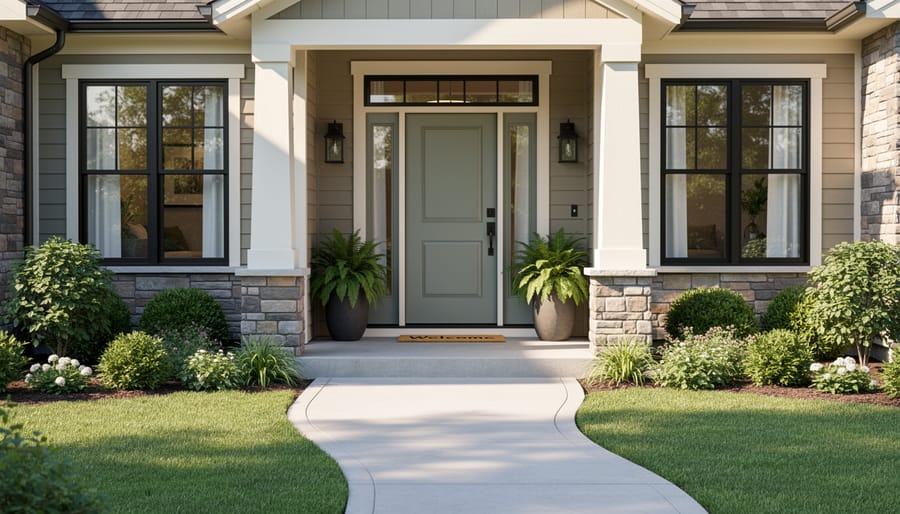
Start with your front door, which is absolutely worth the investment of a Saturday afternoon. A thorough clean with sugar soap costs under £5 and can work wonders. If your door looks tired, a fresh coat of paint (around £15-25 for quality exterior paint) can transform your entrance. Choosing the right front door color matters more than you’d think—classic black, navy, or even a tasteful sage green all perform well with buyers.
Next, tackle your pathway and driveway. Grab a stiff brush, some washing up liquid, and give everything a proper scrub. For stubborn stains on paving, a mixture of white vinegar and warm water does the trick. If you’ve got weeds poking through, pull them out and use a cheap weed killer to prevent regrowth.
Your garden doesn’t need a complete redesign—just tidy it up. Mow the lawn, edge the borders, and remove any dead plants or overgrown shrubs. A bag of budget bark mulch (around £4) instantly makes flower beds look cared for. Add a couple of inexpensive seasonal plants near the entrance for a welcoming splash of color.
Don’t forget about refreshing planters you already own. Clean them up, add fresh compost, and pop in some cheerful bedding plants. Finally, ensure your house number is clearly visible and give your windows a sparkle—clean windows suggest a well-maintained home throughout.
Room-by-Room Staging on a Budget
Living Room: Create the Cosy Factor
Your living room is where potential buyers imagine relaxing with family, so making it feel welcoming is essential. Start by arranging furniture to create clear pathways and conversation areas. Pull sofas and chairs slightly away from walls to give the illusion of more space, and remove any pieces that make the room feel cramped.
Lighting transforms a room instantly. Layer different light sources by combining overhead lights with table lamps and floor lamps. If you’re working with a tight budget, swap out old lampshades for fresh ones from budget shops like Primark Home or The Range for under £10 each. Position a mirror opposite a window to bounce natural light around the room.
Add affordable accent pieces to inject warmth without breaking the bank. A couple of matching cushions (£15-£20 for a set), a cosy throw blanket draped over the sofa, and a simple vase with fresh flowers or greenery from your local supermarket create instant appeal. Stick to neutral tones with one or two pops of colour to keep things modern and appealing to the widest audience.
Kitchen: Make It Sparkle and Feel Spacious
A clutter-free kitchen feels bigger and more inviting to buyers. Start by clearing your worktops completely—stash away toasters, kettles, and knife blocks in cupboards. Leave out only a stylish fruit bowl or a small potted herb for visual interest.
Give your cupboards a quick tidy before viewings. Potential buyers will peek inside, so neatly arranged shelves suggest a well-maintained home. Remove half your items to create the illusion of abundant storage space.
Simple budget-friendly kitchen cabinet updates can refresh tired-looking units without breaking the bank. Even just replacing old handles with modern ones from your local DIY shop makes a surprising difference for under £30.
Maximize natural light by opening blinds fully and giving windows a thorough clean inside and out. Replace any dim bulbs with brighter LED versions—good lighting makes kitchens feel cleaner and more spacious.
Fresh touches matter too. Place a small vase of flowers near the sink, ensure tea towels are crisp and coordinating, and give surfaces a final wipe with a pleasant-smelling cleaner just before viewings. These tiny details create that “move-in ready” feeling buyers love.
Bedrooms: Simple Serenity Sells
Your bedroom should feel like a peaceful retreat that potential buyers can imagine waking up in every morning. Start with your bed—it’s the focal point of the room. Invest in a simple, neutral duvet cover in white, grey, or beige (around £15-25 from high street shops). Layer with coordinating pillows and a throw blanket folded at the foot of the bed for that hotel-style finish.
Clear nightstands of personal items, keeping just a small lamp and perhaps a single decorative object. Remove half the items from your wardrobe to make it look spacious—buyers want to see storage potential. Take the time to maximize closet space by organizing what remains neatly.
Strip walls of family photos and personal artwork. If they look bare, add one or two inexpensive prints in simple frames. Keep surfaces clutter-free and open curtains fully during viewings to flood the room with natural light. A quick spritz of linen spray (under £5) before viewings creates that fresh, clean impression buyers love.
Bathroom: Fresh, Clean, and Spa-Like
Your bathroom might not be the biggest room in your house, but it absolutely matters to potential buyers. The good news? You can create a fresh, spa-like feel without spending a fortune.
Start with a brand new shower curtain in a crisp white or neutral tone – you can find perfectly good options for under £15 at supermarkets or home stores. Match it with a set of fluffy towels in the same colour palette. Roll them up and display them on a shelf or in a basket for that hotel vibe buyers love.
Remove all personal items from sight. That means your toothbrushes, medications, razors, and half-empty bottles cluttering the shower. Pop them in a caddy under the sink before viewings. A clear countertop makes the space feel instantly cleaner and larger.
Give everything a proper deep clean, paying special attention to grout, taps, and mirrors. A bit of bleach on grout can work wonders for just pennies.
Add simple finishing touches like a small plant (even a fake succulent works), a bar of wrapped soap, or a folded hand towel. These tiny details suggest the bathroom is well-maintained and ready to enjoy. Sometimes the smallest changes make the biggest difference in how buyers perceive your home’s value.
The £10 Paint Touch-Up Trick That Adds Thousands
Nothing transforms a tired-looking home quite like fresh paint, and the best part? You don’t need to repaint entire rooms to make a massive difference. A small tin of paint costs around £10, yet those quick touch-ups can genuinely add thousands to your home’s perceived value.
Start by walking through your home with fresh eyes. Look for scuffed skirting boards, marked doorframes, and those mysterious wall marks that appear over time. These tiny imperfections might seem insignificant to you, but potential buyers notice them immediately. They suggest neglect and can knock serious money off offers.
Grab a sample pot in crisp white or a neutral shade like light grey or warm cream. These colours are absolute winners with UK buyers because they make spaces feel clean, bright, and ready to move into. Magnolia has its fans, but modern buyers tend to prefer slightly cooler tones.
Focus your efforts on high-traffic areas first. The hallway makes that crucial first impression, so touch up scuffs along the stairs and near light switches. In the living room, freshen up around radiators where paint often yellows. Don’t forget door edges and frames, which catch the light and show every mark.
Keep a small brush handy and work methodically through each room. You’ll be amazed how these minor fixes make your entire home look cared for and valuable. It’s the simplest trick that delivers incredible returns when viewings begin.
Furniture Rearrangement: Free Impact in 30 Minutes
Before spending a penny, look at what you already have. Simply moving your furniture around can transform how spacious and inviting your rooms feel to potential buyers. This costs absolutely nothing and takes just half an hour per room.
Start by pulling furniture away from walls. Yes, really! It sounds counterintuitive, but floating your sofa a few inches from the wall actually makes rooms look larger and creates better conversation areas. Buyers want to see flow and functionality, not furniture pushed against every surface.
Next, remove at least one piece of furniture from each room. That extra armchair or side table might be useful to you, but it’s making your space look cramped. Store excess pieces in the garage or a friend’s place until you’ve sold. The goal is to show off floor space, which buyers mentally translate into room size.
Create clear pathways through each room. You should be able to walk from doorway to doorway without dodging furniture. Aim for at least 90cm of walking space between pieces. This improves flow and helps buyers imagine living in the space comfortably.
Angle furniture to define zones in open-plan areas. Position your sofa and chairs to create a clear living area, separate from the dining space. This helps buyers understand how to use each part of the room.
Finally, ensure the focal point of each room is obvious and unobstructed. Whether it’s a fireplace, window with a lovely view, or built-in shelving, arrange furniture to draw attention to these selling features rather than blocking them.

Lighting Fixes That Transform Your Home Instantly
Good lighting can completely change how buyers perceive your home, and the best part? It’s one of the cheapest staging improvements you can make. Start by replacing any dim or yellowing bulbs with bright white LED bulbs throughout your home. Aim for bulbs around 2700-3000K for a warm, inviting glow that makes spaces feel cosy without looking dingy. This simple swap typically costs under £20 for an entire property and instantly makes rooms feel fresher.
Next, maximize your natural light by removing heavy curtains or swapping them for sheer voiles. Clean your windows inside and out – you’d be amazed how much brighter rooms become with sparkling glass. Position mirrors opposite windows to bounce light around, creating the illusion of larger, brighter spaces.
For viewings, layer your lighting to create ambiance. Don’t rely on harsh overhead lights alone. Place inexpensive table lamps in dark corners, add an uplighter behind a sofa, or position a floor lamp near reading nooks. You can find budget-friendly lamps at supermarkets and discount retailers for £10-25 each.
During viewings, turn on every single light in your home, even during daylight hours. Open all curtains and blinds fully. This creates a welcoming, cheerful atmosphere that helps buyers imagine themselves living there. Remember, well-lit homes photograph better too, which means more interest from online listings where most buyers start their search.
Common Staging Mistakes That Cost You Viewings
Even with the best intentions, it’s easy to stumble when staging your home on a tight budget. One of the biggest mistakes is leaving too much of your personality on display. Family photos, quirky collections, and bold paint colours might feel like home to you, but they make it harder for buyers to imagine themselves living there. Aim for neutral and welcoming instead.
Don’t underestimate the power of your nose to go blind to everyday odours. Pet smells, cooking aromas, and mustiness can put off viewers instantly. Open windows before viewings, use bicarbonate of soda on carpets, and consider baking biscuits just before people arrive for a pleasant scent.
Poor lighting is another viewing killer. Dark rooms feel smaller and less inviting. Swap dim bulbs for brighter ones, open curtains wide, and add inexpensive table lamps to shadowy corners. Natural light sells homes.
Finally, hidden clutter is still clutter. Shoving everything into cupboards might seem like a quick fix, but viewers will open doors. They need to see generous storage space, not overflowing wardrobes. Properly declutter by donating, storing off-site, or selling items you don’t need.
The truth is, you don’t need deep pockets to stage your home effectively—you just need to be strategic about where you focus your energy. Every small change you make, from decluttering your hallway to adding fresh flowers to the kitchen table, brings you one step closer to a faster sale in today’s competitive UK property market.
If the idea of staging your entire home feels overwhelming, start with just one room. Choose the space that buyers will notice first—usually your living room or entrance hall—and apply the tips we’ve covered. Once you see the difference it makes, you’ll feel motivated to tackle the next room.
Remember, buyers are making decisions based on emotion as much as logic. When they walk into a clean, bright, welcoming space that helps them imagine their future life there, they’re far more likely to put in an offer quickly. The small investments you make now, whether it’s a pot of neutral paint or some thoughtfully arranged cushions, can genuinely shorten your time on the market and potentially increase your final sale price. You’ve got this—now it’s time to roll up your sleeves and get started.