
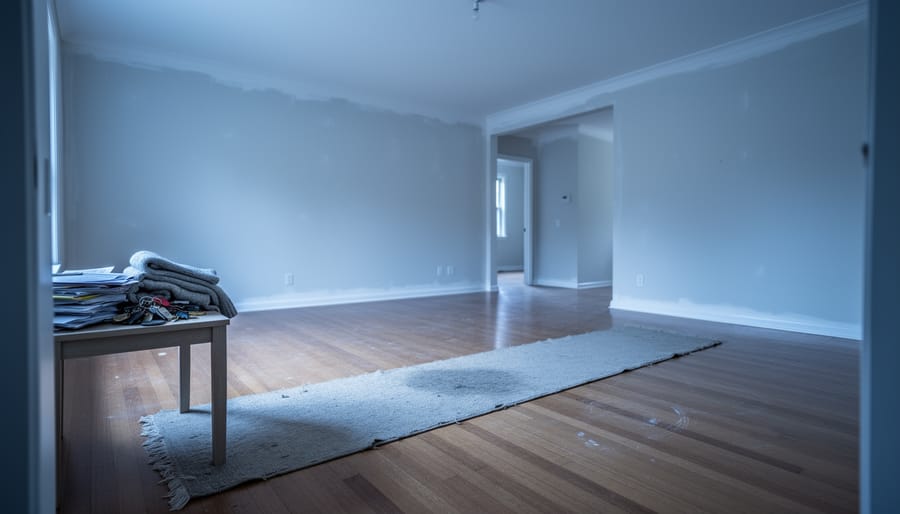
First Impressions of an Unstaged House: What Buyers Actually See When They Walk In
Walking into an unstaged house often triggers an instant negative reaction in buyers, even before they consciously register what’s wrong. Empty rooms feel smaller and awkward. Furniture placement can make spaces seem cluttered or purposeless. Personal items, worn-out carpets, and mismatched paint colors distract from a home’s actual potential. The result? Buyers mentally check out within the first 90 seconds, and that initial impression sticks through the entire showing.
The good news is that most of these problems aren’t expensive to fix. You don’t need a professional stager or thousands of dollars to help buyers see your home’s best self. Understanding exactly what buyers notice when they walk through an unstaged space is the first step toward making simple, strategic changes that shift their perception from “I don’t know about this place” to “I could really live here.”
This isn’t about hiding flaws or creating a showroom. It’s about removing distractions, defining spaces clearly, and giving buyers the mental room to imagine their own lives in your home. A few targeted adjustments can transform those crucial first moments from forgettable to compelling, and most take just a weekend and a modest budget to pull off.
The Instant Visual Impact: What Catches (or Loses) Attention
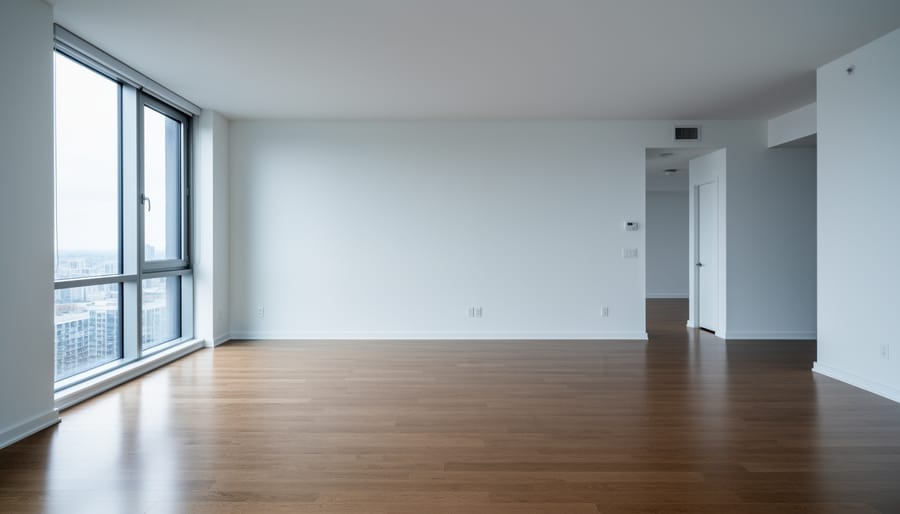
When a buyer steps through the doorway, their brain makes snap judgments in about 30 seconds. An unstaged house triggers a cascade of negative impressions that are hard to shake, no matter how rational the buyer tries to be.
Empty rooms echo. Footsteps sound hollow, voices bounce off bare walls, and the house feels cold even on a warm day. That acoustic emptiness registers emotionally as unwelcoming, almost abandoned. The space lacks life, and buyers unconsciously start questioning whether this place could ever feel like home.
Without furniture or decor to draw the eye, every flaw becomes a focal point. That patch job you thought was subtle? It’s all anyone sees on a blank wall. Scuff marks from old furniture, nail holes, uneven paint touch-ups, and worn spots on the floor suddenly command attention. Buyers start mentally cataloging repairs instead of imagining their couch placement.
Outdated fixtures scream even louder in empty spaces. That brass chandelier from 1992 or the yellowed light switch plates become symbols of how much work lies ahead. Combined with a tired front door color or worn entry flooring, the cumulative effect is exhausting before the tour even begins.
The complete absence of warmth or personality creates a cognitive problem. Buyers can’t connect emotionally to blank walls and empty corners. They see a structure, not a potential home. This detachment often leads to lower offers or buyers moving on quickly to the next listing. Some discouraged sellers end up considering we buy any house services just to avoid the showing process altogether.
That first 30 seconds sets the tone for the entire viewing, and unstaged homes rarely recover from a cold start.
The Scale Problem: When Empty Rooms Look Wrong
Empty rooms play tricks on perception. Without furniture to anchor the space, buyers lose all sense of scale and purpose. What might actually be a cozy bedroom looks cramped and awkward. A generous living room suddenly feels like an echoing warehouse with no clear function.
Small rooms suffer the most. Bare walls close in, low ceilings feel lower, and narrow dimensions become glaringly obvious. Buyers fixate on what won’t fit rather than imagining what could work. A perfectly adequate 10×12 bedroom reads as a closet when there’s nothing to suggest bed placement or flow.
Large rooms create the opposite problem. That spacious family room you loved becomes a confusing void. Buyers stand in the doorway wondering where the TV goes, where you’d put a couch, whether it’s meant to be one big space or somehow divided. Without visual cues, they can’t picture daily life happening there.
Odd-shaped rooms turn into deal-breakers. An angled wall or alcove that once held a desk now just looks wrong. Buyers assume these quirks mean wasted space or furniture-placement nightmares.
Traffic flow disappears entirely without furniture to suggest pathways. Doorways align strangely, hallways feel too wide or too narrow, and functional layouts read as awkward. Buyers walk through seeing problems instead of possibilities, because there’s simply nothing to guide their eye toward how the space actually works.
Flaws That Scream for Attention
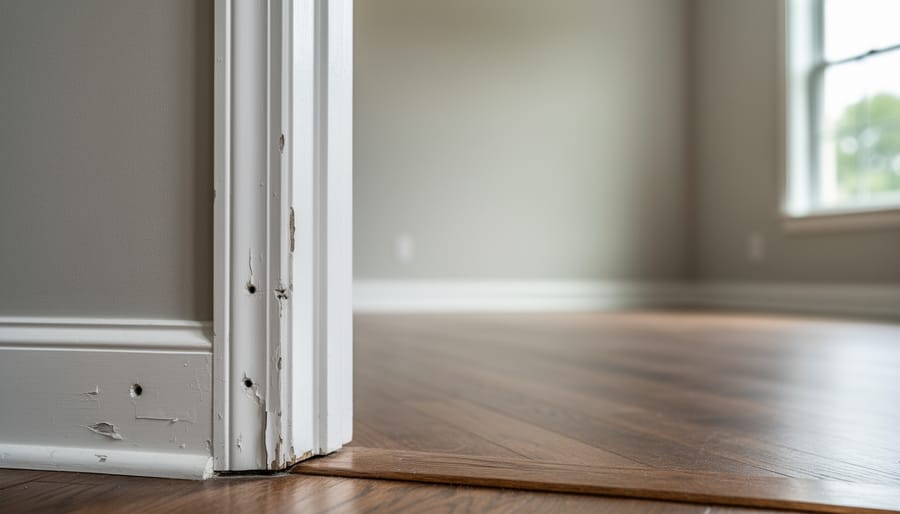
Without furniture, rugs, or art to soften the view, every flaw in your home becomes the main attraction. Buyers walk into an empty room, and their eyes land directly on that patched drywall you thought was invisible. Scuff marks you barely noticed when your couch sat against the wall now look like black streaks across a white canvas. Nail holes pepper the walls like connect-the-dots puzzles.
Carpet stains tell a story when there’s nothing to cover them. That spot where your dog had an accident? Buyers see it immediately and start calculating replacement costs. The traffic pattern worn into the hallway runner becomes a dark pathway that screams “worn out.” Even minor discoloration stands out against bare floors.
Paint problems multiply in empty spaces. Patching that blended in when you had pictures hanging now shows as slightly different textures and sheens. Touch-ups you did three years ago no longer match the faded surrounding paint. Roller marks, drips, and uneven coverage become obvious when sunlight hits blank walls at different angles throughout the day.
Outdated fixtures demand attention when they’re the only things to look at. That brass ceiling fan from 1995 suddenly looks ancient. The builder-grade light fixture you always meant to replace becomes a focal point. Worn outlet covers, chipped switch plates, and old doorknobs all get noticed.
Flooring damage gets center stage treatment. Scratches in hardwood catch the light. Transitions between rooms look choppy. Grout lines in tile appear dirty. When there’s no bed to admire or dining table to imagine meals around, buyers stand there studying your floors and mentally adding repair costs to their offer.
The Imagination Gap: Why Buyers Can’t See the Potential
You’d think it would be simple. An empty room is a blank canvas, right? But here’s the reality: most buyers walk into an unstaged house and their brains just… stall. They stand in the middle of a perfectly good living room and can’t picture where the couch would go, whether their dining table would fit, or how the space would feel with their stuff in it. It’s not laziness or lack of imagination, it’s just how our minds work. We need reference points to process spatial relationships, and empty rooms don’t give us those cues.
This imagination gap has real consequences. When buyers can’t see themselves living in your home, they detach emotionally from the purchase. Instead of falling in love with the space and envisioning Sunday morning coffee in that breakfast nook, they’re tallying up everything they’d need to change or fix. That emotional disconnect translates directly into lower offers. Why pay full price for a house that feels like a puzzle they can’t solve?
The timing impact hurts too. Homes that require buyers to do all the mental heavy lifting sit on the market longer. Each additional week means more price reductions, more open houses, and more stress. Meanwhile, buyers move on to homes where they walked in and immediately thought, “I could live here.” The difference isn’t always the house itself, it’s whether the buyer could imagine their life unfolding in those rooms.
Budget-Friendly Fixes to Bridge the Gap
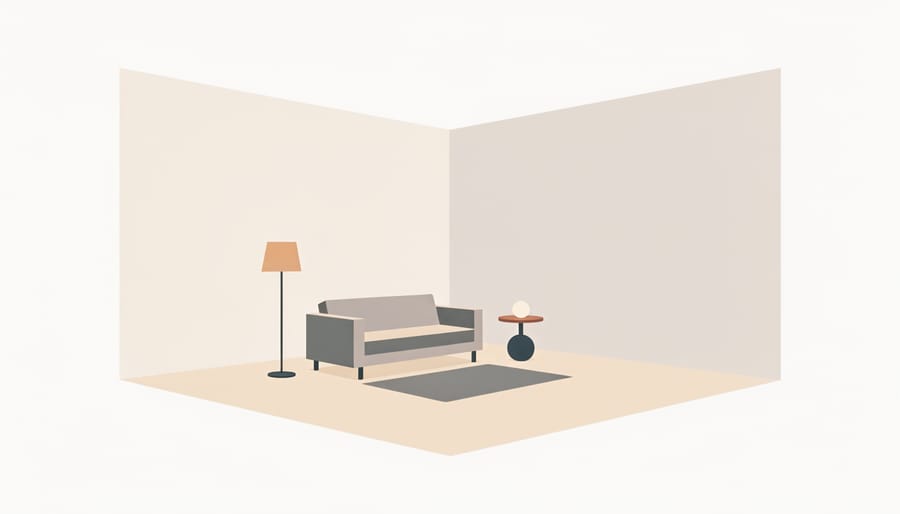
You don’t need professional stagers or thousands of dollars to help buyers see past the emptiness. A few smart, low-cost moves can completely shift how your home feels when someone walks through the door.
Start with borrowed or minimal furniture in the most important rooms. You don’t need to stage every space, focus on the living room, primary bedroom, and dining area if you have one. Even a single couch, coffee table, and lamp in the living room gives buyers an anchor point for scale and purpose. Ask friends or family if you can borrow pieces temporarily, or check Facebook Marketplace for inexpensive items you can resell after closing.
Area rugs are your secret weapon. A $60 rug from HomeGoods or a discount retailer instantly defines a seating area, covers that carpet stain you’ve been staring at, and adds warmth to cold, echoey spaces. In bedrooms, a rug under where the bed would go shows buyers the room’s potential and makes the space feel intentional rather than forgotten.
Lighting transforms mood faster than almost anything else. Swap out dated brass fixtures for modern options from hardware stores, many run under $40 and take twenty minutes to install. Add floor lamps or table lamps in dim corners; warm-toned LED bulbs (not the harsh white ones) make rooms feel inviting instead of institutional. Natural light matters too, open all blinds and curtains before showings.
Fresh paint is the highest-impact investment you can make. Neutral grays, soft whites, or warm greiges cover scuffs, crayon marks, and bold accent walls that distract buyers. If full repainting isn’t in the budget, at least touch up obvious damage and repaint high-traffic areas like hallways and the kitchen. Speaking of kitchens, dated cabinets drag down the whole space, check out cabinet paint ideas that can update your kitchen for a fraction of professional refacing costs.
Create simple vignettes to suggest how rooms work. A single chair with a small side table and a plant in a reading nook shows purpose. A small bistro set on a patio demonstrates outdoor living potential. These don’t require much, you can often stage for $50 per room with thrift store finds and things you already own.
Here’s your priority order for maximum impact with minimum effort:
- Paint or touch up the entryway and main living spaces, first impressions stick
- Add one area rug and a few furniture pieces to the living room to establish scale
- Update lighting fixtures in the kitchen and bathrooms where dated ones are most obvious
- Stage the primary bedroom with at least a bed frame or headboard to show the space’s purpose
- Place a small table and chairs in the dining area if you have one, even folding ones work
The goal isn’t perfection. It’s giving buyers just enough visual cues that their imagination can fill in the rest without hitting walls of confusion or distraction.
When to Leave It Empty (and When Not To)
Not every unstaged house is a disaster. In some specific situations, empty can actually work in your favor, but they’re rarer than most sellers think.
Brand new construction is the clearest exception. When every surface is pristine, finishes are current, and there’s literally nothing to repair or question, buyers can visualize more easily. The newness itself conveys value. Similarly, ultra-luxury properties targeting wealthy buyers often sell empty because the purchaser plans a complete custom renovation anyway. They’re buying the bones, location, and potential, not your decorating ideas.
Investment properties headed to flippers or landlords are another case where staging won’t move the needle. These buyers run numbers, not emotions. They’re calculating renovation costs and rental yields, not imagining Sunday mornings in the kitchen.
For everyone else? Don’t skip staging entirely. Regular family homes in competitive markets need help. Buyers touring multiple properties in a weekend will struggle to remember or connect with the empty one. Even if you can’t afford professional staging, borrow furniture for the living room and primary bedroom. Add rugs, working lamps, and basic home organization tools in closets to show functional storage. These small touches create the emotional hook that turns a viewing into an offer.
If your home has visible wear, awkward layouts, or you’re in a buyer’s market, consider minimal staging non-negotiable. The homes that sit empty for months while sellers insist “buyers should see the potential”? They eventually sell, just for thousands less than strategic staging would have cost.
Common Questions About Showing Unstaged Homes
Can professional photography make up for lack of staging?
Great photos help, but they can’t fix the fundamental problem, once buyers arrive for the showing, they still see empty rooms and visible flaws. Photos might get them in the door, but the in-person impression determines whether they make an offer.
Is virtual staging as effective as real furniture?
Virtual staging works for online listings but creates disappointment when buyers tour the actual empty space. Many agents report that buyers feel misled, which can hurt your sale more than showing honest photos of an empty home.
How much staging is actually enough?
You don’t need every room furnished. Focus on the living room, primary bedroom, and one other key space to help buyers understand scale and flow. Even these three rooms make a massive difference in how the whole house feels.
Will lowering the price compensate for not staging?
Price cuts attract more lookers but don’t solve the visualization problem. Buyers still struggle to see themselves living there, often leading to lowball offers that exceed what minimal staging would have cost you.
The recurring theme in these concerns is that sellers hope to find a workaround for staging. The reality is more straightforward: buyers need help seeing your house as their future home, and there’s no substitute for that physical, in-person connection that even basic staging creates.
Walking into an unstaged house, buyers don’t see potential, they see problems. Empty rooms amplify every flaw, confuse the eye, and make it nearly impossible to imagine actually living there. The good news? You don’t need a professional stager or a massive budget to change that first impression. A borrowed couch, a fresh coat of paint, even a well-placed lamp can shift the entire mood from “project” to “home.” Small, intentional touches help buyers stop cataloging repairs and start picturing their furniture, their mornings, their life in your space. That shift in perspective is what moves homes from market limbo to sold.