

When to Hire an Interior Designer vs DIY: Know When to Call the Pros
The best time to decide between hiring an interior designer and tackling a project yourself is right now, before you commit to a budget or timeline. Most homeowners can DIY cosmetic updates like paint, furniture arrangement, and decor swaps, but structural changes, complex layouts, and whole-home renovations typically justify the cost of professional help.
The decision hinges on three factors: project scope, your skill level, and whether mistakes will be expensive to fix. Painting an accent wall costs you an afternoon and maybe $50 in supplies if you hate it. Knocking down the wrong wall or installing custom cabinetry that blocks a window? That’s a $5,000-plus mistake that an interior designer would have caught in the planning phase.
Your timeline matters too. DIY projects stretch across weekends and evenings, perfect when you’re not in a rush. Hiring a designer compresses decision-making and coordinates contractors, which saves months on major renovations. Budget plays the obvious role, but here’s the less obvious part: designers often save you money by avoiding costly errors, accessing trade discounts, and steering you away from trendy choices you’ll regret in two years. The key is knowing which projects fall into which category and when a hybrid approach, like a one-hour design consultation followed by DIY execution, gives you the best of both worlds.
The Quick Answer: When to DIY and When to Hire
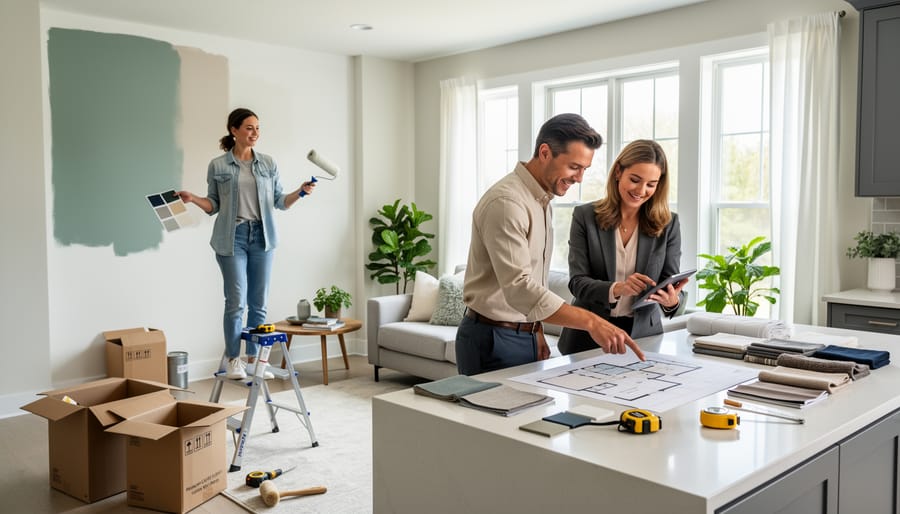
Here’s the thing: most cosmetic updates, single-room refreshes, and projects with clear how-to guides are perfect DIY territory. You’ll save money, learn new skills, and feel proud every time you walk past that accent wall you painted or the gallery wall you hung yourself. Tackle projects like swapping throw pillows, rearranging furniture, painting a bedroom, or installing peel-and-stick backsplash when you’ve got time and patience.
But whole-home renovations, structural changes, complex open-concept layouts, kitchens, and bathrooms? That’s when calling professional interior designers sydney homeowners trust makes financial sense. Designers prevent expensive mistakes, coordinate contractors, navigate permits, and transform confusing floor plans into functional spaces. If you’re stuck, overwhelmed, or facing a project where getting it wrong costs thousands, professional help pays for itself.
The decision isn’t all-or-nothing, either. You can DIY the styling and hire help for the layout, or get a designer’s plan and handle the execution yourself. What tips the balance? Three main factors: how complex the project is, how much a mistake would cost you, and whether you genuinely have the time and interest to see it through without burning out.
Perfect Times to DIY Your Interior Design
When You Have Time and Interest
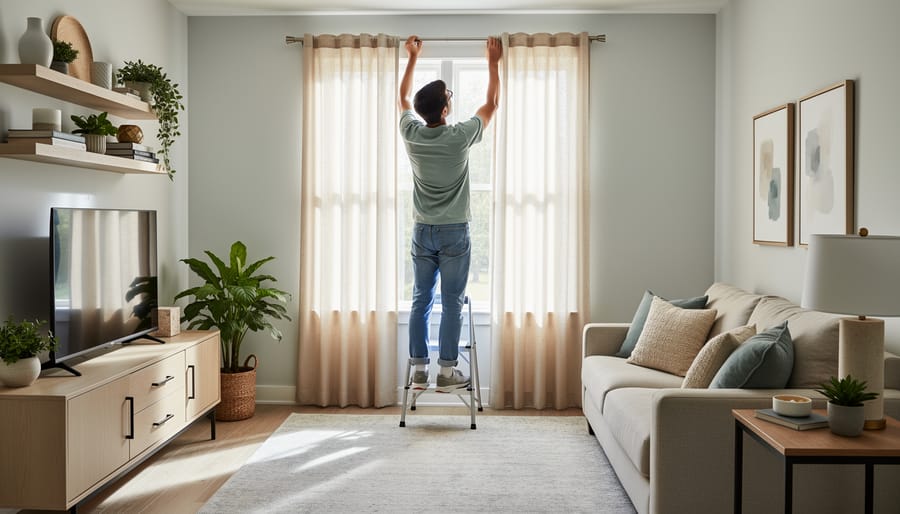
DIY interior design works beautifully when you actually like doing it. If you enjoy browsing Pinterest boards, testing paint samples, and hunting for the perfect throw pillows, you’ve got the most important ingredient for success. These projects need weekends or evenings spread over weeks or months, so having flexible time matters more than speed.
The learning curve is real but rewarding. Your first attempt at hanging wallpaper might take twice as long as the YouTube tutorial suggested, and that’s normal. You’ll make small mistakes, uneven paint lines, furniture that doesn’t quite fit, accessories that need rearranging three times before they look right. But if troubleshooting energizes you rather than frustrates you, DIY becomes genuinely fun.
Emotional investment counts too. When you care about understanding why a room feels off-balance or want to learn skills like how to maximize closet space you’ll stick with the project through setbacks. If the process feels like a chore you’re forcing yourself through, that’s your signal to reconsider or scale back your ambitions.
When the Stakes Are Low
Low-risk projects are perfect for building your design confidence without betting the house on your choices. Paint is the ultimate forgiving medium, if you hate that trendy sage green after a week, you can repaint it next Saturday. The same goes for removable wallpaper, which peels off cleanly when you’re ready for a change. Apply solid paint color tips and test samples first, but know you’re not locked in forever.
Rearranging furniture costs nothing but an afternoon and sore arms. Move the sofa, swap the chairs between rooms, angle the bed differently, if it doesn’t work, you can put everything back. The same flexibility applies to accessories: new throw pillows, swapped art, different lamps, or rearranged shelves give fresh looks for minimal investment. Even cabinet paint over projects fall into this category, primer and paint are cheap fixes if you change your mind. When reversing a mistake takes an hour and fifty dollars instead of demolition and thousands, DIY away with confidence.
When to Call in an Interior Designer
Complex Layouts and Space Planning
When a room feels off but you can’t pinpoint why, furniture crowds the doorway, you bump into corners constantly, or the dining table blocks access to the kitchen, it’s often a space planning problem that’s hard to fix by trial and error. Interior designers train specifically in ergonomics in interior design and spatial relationships, understanding how people move through rooms, how furniture scale affects flow, and which layouts maximize function without sacrificing style.
This expertise becomes critical when you’re removing walls to create open-concept spaces. Knocking down a wall changes traffic patterns, sight lines, and where you can realistically place furniture, mistakes here mean living with awkward dead zones or rebuilding costly custom pieces. Designers use floor plans, templates, and 3D modeling to test configurations before you commit, ensuring your new layout works for daily life, not just on paper.
If you’re planning to stage your home for resale, poor space planning becomes a dealbreaker; buyers notice cramped entries and furniture that doesn’t fit. A designer’s trained eye prevents those pitfalls, turning tricky floor plans into functional, inviting spaces that feel effortless.
High-Budget Projects Where Mistakes Are Expensive
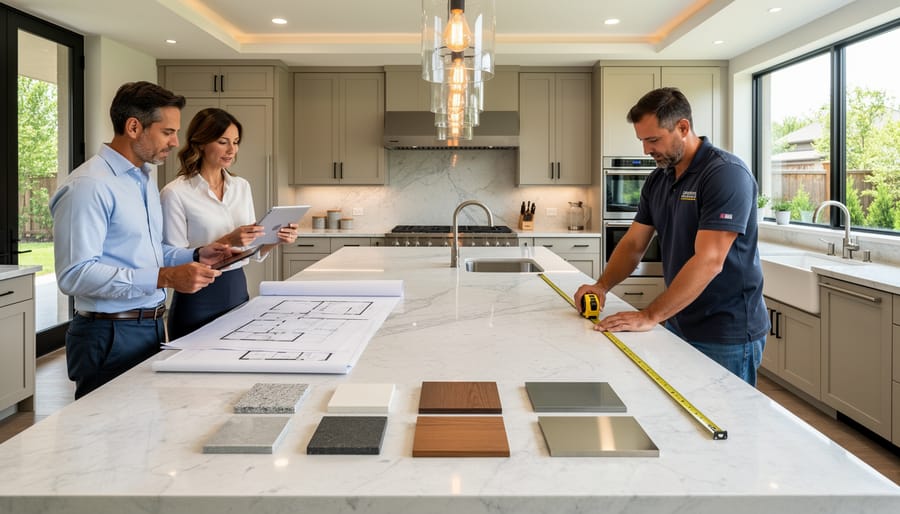
Kitchens and bathrooms top the list of rooms where DIY mistakes get painfully expensive. A backsplash installed at the wrong height, cabinets that block a window’s natural light, or countertops cut to incorrect measurements can’t be undone with a fresh coat of paint. When you’re spending $15,000 to $50,000 on a kitchen or facing similar bathroom renovation costs a designer’s fee, typically 10 to 20 percent of the project budget, often saves you far more than it costs by catching errors before materials are ordered.
Custom built-ins, closet systems, and millwork demand precise measurements and an understanding of how your home’s bones actually work. Miss a pipe location or miscalculate depth by two inches, and you’re looking at $3,000 worth of custom cabinetry that doesn’t fit. Designers know how to spec materials that perform well in high-moisture environments, which countertop edges hold up to daily use, and which finishes won’t date your space in three years. They also maintain relationships with reliable trades, which matters when you need someone to show up and fix a problem fast.
When You’re Coordinating Contractors and Trades
If your project involves multiple contractors showing up on different days, electrician Tuesday, plumber Thursday, carpenter next week, you’re essentially running a small construction site. A designer who’s managed dozens of renovations already knows who needs to finish before the next person starts, how to prevent scheduling disasters, and what happens when the tile guy is delayed.
This coordination gets even messier when your full-time job means you can’t be home during the workday. Designers handle the calls, answer contractor questions on-site, catch mistakes before they’re covered up, and keep everyone accountable to the timeline. They’ve also built relationships with reliable trades, which means better pricing and faster callbacks when something goes wrong.
The stress factor matters too. If juggling phone calls, ordering materials in time, and troubleshooting surprises sounds draining, that mental load has a cost. A designer takes project management off your plate completely, letting you focus on work and family while the renovation moves forward. For many homeowners, that peace of mind alone justifies the fee.
Factors That Shift the Decision
The line between DIY and hiring a designer isn’t fixed. What makes sense for your neighbor’s kitchen remodel might be completely wrong for yours. Several key variables determine which path serves you best, and understanding them helps you make a confident choice.
Your Budget Reality
Money shapes this decision in two directions. Can you afford to hire a designer? That’s the obvious question. But the smarter one is: can you afford not to? A $3,000 designer fee might feel steep until you realize it prevents a $8,000 mistake in the wrong tile order or poorly planned layout. Sometimes the designer pays for themselves by steering you away from expensive errors.
If your total project budget is under $5,000, DIY usually makes more sense. Between $5,000 and $20,000, you’re in the gray zone where a consultation or virtual designer can help. Above $20,000, especially for kitchens or whole-home work, professional guidance typically saves more than it costs.
| Factor | DIY-Friendly | Designer-Recommended |
|---|---|---|
| Budget | Under $5,000 total project cost | Over $20,000 or complex scope |
| Timeline | Flexible, no hard deadline | Tight deadline or move-in date |
| Skill Level | Comfortable with tools, research | Limited experience, first major project |
| Mistake Cost | Low (paint, decor, furniture) | High (custom built-ins, tile, cabinetry) |
| Stress Tolerance | Enjoys problem-solving, patient | Overwhelmed easily, values peace of mind |
Timeline Pressure
Got six months to refresh a guest room at your own pace? DIY thrives with time. Moving in four weeks and need a functional home office set up before your first remote workday? A designer can execute in days what might take you weeks of evening research and weekend trips to three different stores.
Your Skill and Confidence
Be honest here. Have you successfully completed similar projects before? Do you enjoy learning new techniques, or does the thought of reading instructions make you anxious? There’s no shame in recognizing that color theory, furniture scale, and spatial planning aren’t your strengths. Some people see a blank room and feel excited. Others see it and freeze.
Access and Resources
Do you own a truck for hauling furniture? Know a reliable handyman? Have evenings and weekends free? These practical resources tilt the balance toward DIY. If you’re juggling a demanding job, have no vehicle for pickups, and don’t know a painter from a plumber, a designer’s network and project management suddenly looks valuable.
Resale Considerations
Planning to sell within two years? Designer-guided kitchens and bathrooms typically return more value than DIY versions, especially in competitive markets. Staying put for a decade? You can DIY, learn from mistakes, and adjust as you go.
The Hybrid Approach: Getting Design Help Without Full-Service Fees
You don’t have to choose between paying thousands for full-service design and winging it completely on your own. A middle path exists that gives you professional expertise exactly where you need it, while keeping costs manageable and leaving the hands-on work to you.
Online design services have exploded in 2026, offering room-by-room packages starting around $300-$800. You fill out a questionnaire, share photos and measurements, then receive a custom design plan with mood boards, furniture layouts, shopping links, and step-by-step guidance. You handle all the purchasing and installation yourself, but you’re working from a professional blueprint instead of guessing. Services like Havenly, Decorist, and Modsy provide this remote collaboration, often with a few revision rounds included.
Hourly consultations give you focused help without ongoing commitment. For $150-$300 per hour, a local designer can walk your space, troubleshoot problem areas, suggest furniture placement, or create a color scheme. Two hours might be all you need to unstick a frustrating layout or get confident about a risky paint choice. You leave with notes, sketches, and a clear direction.
Design-only packages split the difference between consultation and full service. The designer creates comprehensive plans, elevations, and specifications, but you hire contractors and manage the project yourself. You save on project management fees while still getting professional drawings that contractors can work from, especially valuable for kitchens, bathrooms, or built-ins where precision matters.
Virtual designers work entirely through video calls, photos, and digital tools, keeping fees lower than in-person services. Shopping services are another a-la-carte option: the designer sources furniture and decor based on your style and budget, you review and approve, then handle delivery and setup yourself. You get their trade discounts and expertise without paying for installation coordination.
These hybrid approaches work beautifully when you have time and willingness to execute but need a roadmap to follow. You’re still doing it yourself, just with a professional head start.
What to Do After You Decide
Once you’ve decided which path is right for your project, don’t just jump in blindly, a little planning now saves headaches later. The next steps look different depending on whether you’re rolling up your sleeves or calling in the pros.
If you’re going the DIY routestart by gathering inspiration that actually fits your space and budget. Pin realistic ideas, not magazine spreads that require custom millwork. Create a timeline that accounts for your real life, if you only have weekends, that bathroom refresh will take a month, not a weekend. Budget for 20% more than you think you’ll spend, because you will find something you forgot or something that needs fixing once you start. Then start small. Tackle one wall, one corner, one piece at a time rather than tearing apart the whole room at once. And here’s the important part: if you hit a wall mid-project (literally or figuratively), it’s completely okay to pause and call in help for that one tricky bit. Getting a designer’s input on paint placement or a contractor’s advice on that wonky outlet doesn’t mean you failed, it means you’re being smart.
If you’re hiring a designeryour first job is finding the right fit. Here’s how to vet candidates properly in 2026:
- Ask friends, neighbors, and local home stores for referrals, or search design associations and online directories.
- Review portfolios on designer websites and Instagram to confirm their style matches your vision.
- Schedule intro calls or consultations with at least three designers to discuss your project scope and get a feel for their process.
- Be upfront about your budget in those first conversations, good designers will tell you honestly if they can work within it.
- Request references from past clients and actually call them to ask about communication, timelines, and any surprises.
- Clarify contract terms before signing: what’s included in the fee, how changes are handled, payment schedules, and who orders and owns what.
Don’t ghost a designer mid-conversation because you’re nervous about cost. If their fees don’t fit, ask if they offer scaled-back services like design-only packages.
Remember, this decision isn’t set in stone. If you start DIYing and realize it’s over your head, you can hire help partway through. If you hire a designer but want to paint yourself to save money, most will work with you. Revisit your choice as the project unfolds, stay honest about what’s working, and adjust course when needed. The goal is a space you love, however you get there.
Common Questions About Hiring a Designer vs DIY
How much do interior designers cost?
Fees vary widely depending on your location and the designer’s experience. Expect hourly rates from $75 to $300, flat fees for specific rooms starting around $500, or percentage-based pricing (typically 10-30% of the project budget) for full renovations.
Can I hire a designer for just one room?
Absolutely. Many designers offer single-room packages or hourly consultations, perfect when you need help with a challenging kitchen layout or a living room that never feels quite right. This focused approach keeps costs manageable while giving you professional guidance where it matters most.
What if I start DIY and get stuck?
You can call in a designer mid-project for a rescue consultation. Most professionals are happy to troubleshoot specific problems, review your paint choices, or suggest furniture placement even if they didn’t start the project with you.
Do designers work with my existing furniture?
Yes, good designers incorporate pieces you already own and love. They’ll help you arrange, refinish, or repurpose what you have, then recommend new items only where there are real gaps.
Plenty of homeowners worry they have to choose all or nothing, but design services are more flexible than you might think. If you hire a designer, you can absolutely still paint the bedroom yourself or install your own cabinet hardware. Just communicate upfront which tasks you want to tackle and which you’d rather hand off.
Renters wonder if design help makes sense when they can’t make permanent changes. It does. Designers experienced with rentals know every trick for transformable spaces: removable wallpaper, freestanding room dividers, lighting upgrades that don’t require rewiring, and furniture arrangements that maximize awkward layouts. A single consultation can solve years of frustration with a difficult rental floor plan, and those solutions often move with you to the next place.
There’s no universal right answer here. The best choice depends on your specific project, timeline, budget, and honest assessment of what you’re ready to tackle. If you love the hands-on process and have the time, DIY delivers real satisfaction and keeps money in your pocket. If you’re juggling a complex renovation or simply don’t want the stress, hiring a designer brings expertise that can save you from expensive mistakes and weeks of frustration.
The smartest approach? Start with what feels manageable. Paint that bedroom yourself. Rearrange your living room furniture on a Saturday afternoon. But when you’re staring at a kitchen layout that doesn’t work or coordinating three contractors while working full-time, recognize that calling in professional help isn’t giving up, it’s making a practical decision that protects your investment and your sanity.
Trust your gut. If a project excites you, dive in. If it fills you with dread, get support. Either way, you’re creating a home that works better for how you actually live, and that’s always worth celebrating.