What Is Ceramic Coating for Home Surfaces (and How Does It Work)?
Ceramic coating is a liquid polymer that chemically bonds to surfaces in your home to create an ultra-thin, protective shield that repels water, resists stains, and makes cleaning dramatically easier. Originally developed for automotive paint protection, this technology has made its way into kitchens, bathrooms, and other high-traffic areas where homeowners want durable surfaces without constant maintenance.
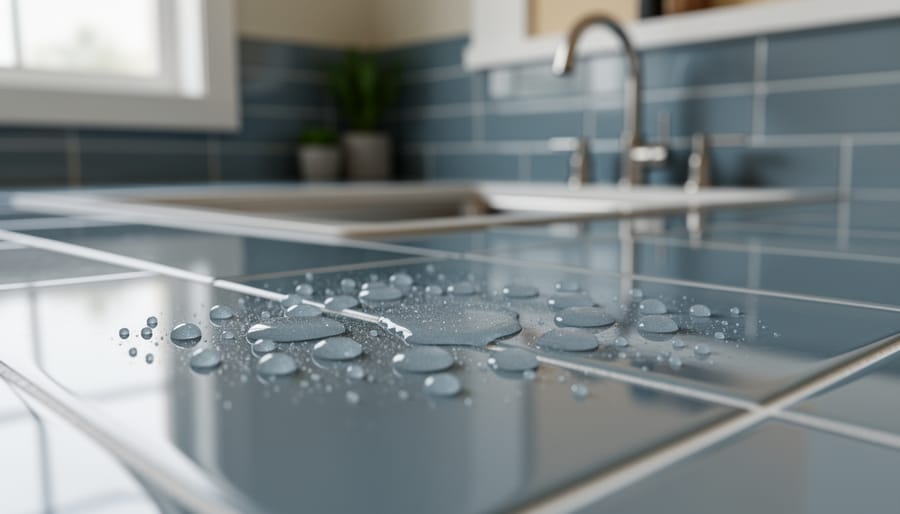
Think of it as an invisible armor for your countertops, tile, glass, and fixtures. Once applied and cured, ceramic coating fills in microscopic pores in the surface material, creating a hydrophobic (water-repelling) barrier that prevents grime, soap scum, and everyday messes from sticking. Instead of scrubbing for minutes, you’ll find that spills wipe away in seconds.
The appeal is straightforward: less time cleaning, fewer harsh chemicals needed, and longer-lasting protection for the surfaces you’ve invested in. But ceramic coating isn’t a one-size-fits-all miracle product. Different formulations work better on specific materials, application technique matters more than most people realize, and the upfront cost can range from surprisingly affordable DIY kits to professional services that run several hundred dollars per room.
This guide walks you through exactly what ceramic coating is, how the chemistry actually protects your surfaces, where it makes the most sense to use it in your home, and whether tackling application yourself is realistic for your skill level and budget. You’ll get a clear picture of what this product can and can’t do before you commit.
What Ceramic Coating Really Means for Your Home
Ceramic coating is a liquid polymer solution you apply to surfaces that chemically bonds at a microscopic level, forming a hard, transparent protective layer. Think of it as invisible armor that shields your surfaces from the daily wear and tear of life. Unlike wax or sealant that sits on top and washes away over time, ceramic coating actually attaches to the material underneath, creating a semi-permanent bond that can last years instead of months.
The magic happens through a chemical reaction. When you apply the liquid coating, its polymer molecules penetrate tiny pores in the surface and lock onto it as they cure and harden. This creates a barrier that’s much tougher than the original surface alone. It’s similar to how a clear coat protects your car’s paint, but this works on concrete, tile, countertops, and other home surfaces.
- Ceramic coating
- A liquid polymer that chemically bonds to surfaces, creating a durable protective layer that resists damage and simplifies cleaning.
- Polymer bond
- The chemical attachment between the coating molecules and the surface, creating a connection that doesn’t just sit on top but actually links at a microscopic level.
- Hydrophobic effect
- The water-repelling property of cured ceramic coating that causes liquids to bead up and roll off instead of soaking in or leaving marks.
- Curing
- The hardening process after application where the coating transitions from liquid to a solid protective layer, typically taking 24-48 hours.
- Nano-ceramic technology
- The use of extremely small ceramic particles that can fill microscopic surface imperfections and create an ultra-smooth, protective finish.
This protective shield defends against scratches from everyday use, stains from spills and dirt, UV rays that fade and degrade surfaces over time, and water damage that can lead to mold or deterioration. The hydrophobic effect means water beads up and rolls off, taking dirt with it, which makes cleaning significantly easier.
The key difference from traditional waxes and sealants comes down to durability and how they attach. Wax sits on the surface and breaks down quickly, requiring reapplication every few months. Sealants last longer but still wear away. Ceramic coating bonds chemically and can protect surfaces for two to five years with proper care, making it a genuinely budget-friendly choice when you calculate the time and money saved on constant reapplication and cleaning products.
How Ceramic Coatings Create a Protective Shield
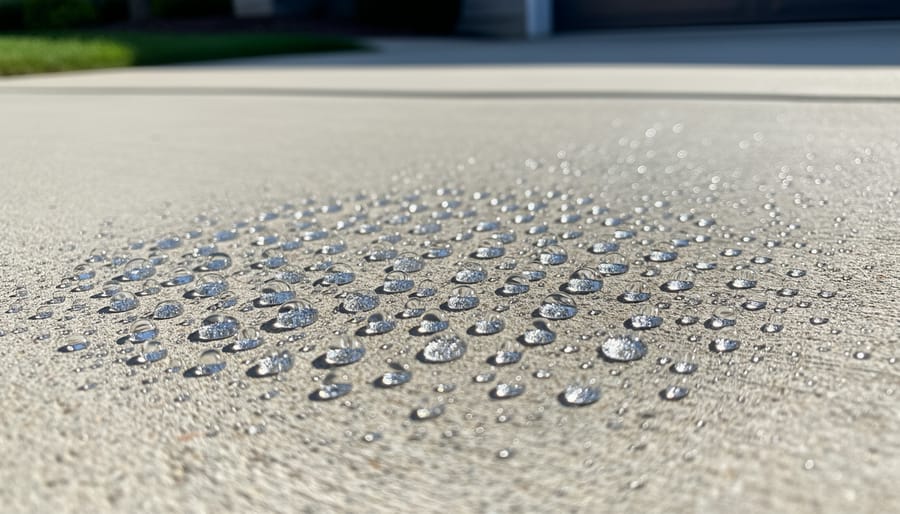
When you brush ceramic coating onto a surface, you’re not just adding a layer on top like paint or wax. The liquid coating actually grabs onto the material at a microscopic level, forming a chemical bond that’s much stronger than anything sitting on the surface. Think of it like the difference between a sticky note (which you can peel off) and a tattoo (which becomes part of your skin). The coating’s silicon dioxide molecules link up with the molecules in your concrete, tile, or countertop, creating a connection that won’t wash away or peel off with normal cleaning.
This bonding happens because ceramic coatings are reactive. When you apply the liquid, it spreads into the tiny pores and imperfections in your surface. As the coating cures (which takes anywhere from a few hours to a full day, depending on the product), those silicon dioxide molecules form cross-linked chains. Picture a net being woven right into the surface, with each strand connected to the next and anchored to the material underneath.
Once fully cured, the coating hardens into a glass-like layer that changes how your surface behaves. The most noticeable effect is how it handles water. The coating creates what’s called a hydrophobic surface, which means water can’t spread out and soak in. Instead, droplets bead up and roll right off, taking dirt and grime with them. If you’ve ever seen water beading on a freshly waxed car, it’s the same idea, but ceramic coating lasts years instead of weeks.
The hardened layer also acts as a barrier against scratches and stains. It won’t make your driveway bulletproof, but it does absorb the minor abrasions that normally wear down surfaces over time. Spills that would usually leave marks (like oil on a garage floor or coffee on a countertop) sit on top of the coating instead of soaking into the pores of the material. That makes cleanup as simple as wiping with a damp cloth, because the stain never gets the chance to set in.
Different Types of Ceramic Coatings for Home Use
Not all ceramic coatings are created equal, and understanding your options helps you pick the right product for your project and wallet. Here’s what you’ll find on the market for home use.
Automotive-grade coatings adapted for home surfaces represent the most durable option. These are the same products detailers use on cars, just applied to countertops, tile, or garage floors instead. They typically cost $50 to $150 for a bottle that covers 150-300 square feet. The chemistry is identical, silica-based polymers that cure rock-hard, which means you get years of protection. The catch? Application requires careful surface prep, steady hands, and sometimes multiple coats. If you’re comfortable with detailed DIY projects, these deliver professional results without the professional price tag.
DIY ceramic spray coatings make the technology accessible for beginners. These come in trigger-spray bottles, apply like a cleaner, and cost $15 to $40 for a bottle covering about 100 square feet. You spray, wipe, and let cure. Simple. The trade-off is durability, most last 6 to 12 months rather than years. They work beautifully for renters wanting temporary protection or homeowners testing ceramic coating before committing to pricier options. Think of them as a budget-friendly refresh that you reapply once or twice a year.
Professional-grade liquid coatings sit at the premium end, usually applied by contractors but available for adventurous DIYers. A typical kit runs $200 to $500 and includes multiple components that mix before application. These create the thickest, hardest protective layer and can last 5 to 10 years on surfaces like driveways or outdoor stone. The application process is unforgiving, you need ideal temperature and humidity, thorough prep work, and confidence in your technique. One mistake can mean stripping and starting over.
Ceramic-infused sealants blend traditional sealers with ceramic particles, offering a middle ground. They cost $30 to $80, apply with a foam applicator or cloth, and last 1 to 3 years. They’re easier than pure ceramic coatings but tougher than standard sealants. Perfect for bathroom tile, outdoor furniture, or any surface where you want solid protection without the complexity of full ceramic application.
Your choice depends on three factors: how long you want protection to last, how much you’re willing to spend upfront, and your comfort level with detailed application work.
Where You Can Use Ceramic Coating Around Your Home
Indoor Surface Applications
Kitchen countertops are where ceramic coatings really prove their worth. A coated granite, quartz, or laminate countertop sheds coffee spills, wine splashes, and cooking oil with a quick wipe, no scrubbing required. The coating fills in microscopic pores in the surface, so stains can’t penetrate. You’ll spend less time battling stubborn marks and more time actually using your kitchen.
Bathroom tile and grout benefit enormously from ceramic coating. Soap scum, hard water deposits, and mildew struggle to grip coated surfaces. This matters most in showers where humidity and daily use create perfect conditions for buildup. A coated tile wall stays cleaner between deep cleans, and the grout lines resist discoloration.
Glass shower doors are probably the most satisfying application. Water beads up and rolls off instead of leaving mineral deposits and streaks. You’ll notice the difference immediately, that cloudy film just doesn’t form. A quick squeegee after showering keeps the glass crystal clear.
Backsplashes, vanity tops, and even porcelain sinks respond well to ceramic coating. High-traffic bathroom surfaces stay brighter longer because daily grime doesn’t embed itself into the material. The coating won’t make surfaces indestructible, but it makes routine maintenance genuinely easier. Most DIY ceramic sprays work fine for these indoor applications, and reapplication every 12-18 months maintains protection without breaking the bank.
Outdoor and Driveway Protection
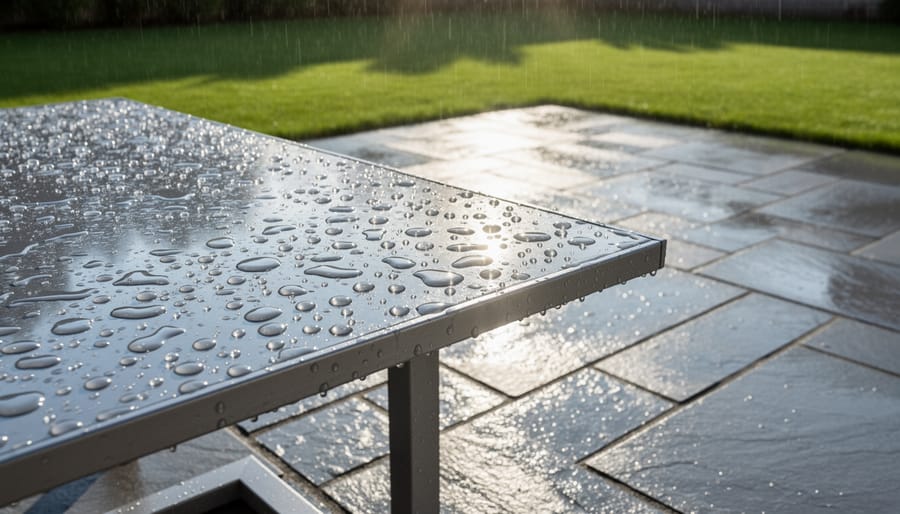
Your driveway and patio take a beating from weather, and ceramic coating gives them a fighting chance. Concrete driveways sealed with ceramic coating resist oil stains, tire marks, and the freeze-thaw cycles that cause cracking and spalling. The coating creates a hydrophobic barrier that sheds water instead of letting it seep in, which is huge during winter when trapped moisture freezes and damages the concrete from within.
For outdoor patios and walkways, ceramic coating prevents the fading and discoloration that sun exposure causes over time. UV protection keeps your stone or concrete looking fresh for years instead of turning chalky and gray after one summer. Rain and sprinklers bead up and roll off rather than soaking in and leaving mineral deposits or encouraging mold growth. You’ll spend less time pressure washing because dirt and grime don’t bond to the slick surface the way they grip untreated concrete.
Metal outdoor fixtures, think railings, gates, mailboxes, benefit from ceramic coating’s rust and corrosion resistance. The coating blocks moisture from reaching the metal, preventing that ugly orange rust that otherwise shows up within a year or two. It’s especially valuable in coastal areas or anywhere with high humidity.
Stone pavers and natural stone surfaces maintain their color and texture longer with ceramic coating. The coating doesn’t change the stone’s appearance but acts as outdoor surface protection against staining from fallen leaves, bird droppings, and spilled drinks during backyard barbecues. A quick rinse with the hose handles most cleanup, saving you scrubbing time on your weekends.
DIY Application: What to Expect
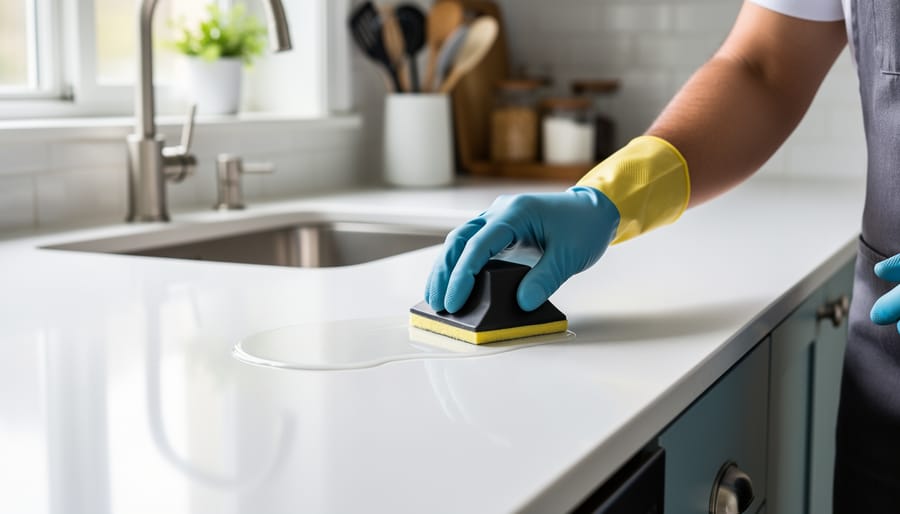
Applying ceramic coating yourself is doable, but it’s not as simple as spraying and wiping. Success depends on proper surface prep and following the application steps carefully. Most DIY kits cost between $30 and $80, making them budget-friendly compared to professional services that can run $200 to $500 for a single room.
Start with thorough surface preparation. The coating bonds at a molecular level, so any dirt, grease, or residue will create weak spots. Clean the surface with a degreaser or pH-neutral cleaner, then wipe it completely dry. For porous surfaces like concrete or unsealed tile, you might need to fill cracks or apply a primer first. Skipping this step is the most common mistake, and it guarantees disappointing results.
When you’re ready to apply, work in small sections. Most ceramic coatings come with an applicator pad or microfiber cloth. Apply a thin, even layer using overlapping strokes, then immediately buff away any excess before it starts to cure. The window for buffing is usually one to three minutes, so don’t coat more area than you can manage quickly. Thick, uneven application leads to streaks and high spots that are difficult to fix once cured.
Temperature and humidity matter. Most products work best between 60°F and 80°F with moderate humidity. Too cold and the coating won’t bond properly; too humid and it can cure too fast or develop a hazy finish.
Curing time varies by product. Some coatings are touch-dry in an hour but need 24 to 48 hours before exposure to water. Full hardness can take up to a week. Don’t rush this phase or use the surface too early.
For first-timers, start with a small, low-stakes area like a garage floor corner or outdoor furniture piece. If you’re planning a larger project like coating bathroom tile as part of a renovation, factor ceramic coating into your overall bathroom cost planning alongside other materials and labor.
When should you hire a pro? Complex surfaces, large areas like entire driveways, or high-value countertops justify professional application. They have better equipment, experience avoiding mistakes, and often offer warranties. For straightforward projects on forgiving surfaces, DIY saves money and gives you valuable hands-on experience.
Common Questions About Ceramic Coating for Homes
How long does ceramic coating actually last on home surfaces?
On indoor surfaces like countertops and tile, a quality ceramic coating typically lasts two to five years with normal use. Outdoor applications like driveways face harsher conditions and usually need reapplication every one to three years, depending on weather exposure and traffic.
Can I apply ceramic coating myself or should I hire a professional?
DIY application is absolutely possible for most homeowners, especially with spray-on ceramic products designed for home use. Professional application makes sense for large outdoor projects like driveways or when you want maximum durability, but many people successfully coat smaller areas like bathroom glass or kitchen backsplashes on their own.
What does a typical ceramic coating project actually cost?
A DIY ceramic coating kit for a small bathroom or kitchen area runs between $30 and $80, covering around 100 to 200 square feet. Professional driveway coating typically costs $3 to $7 per square foot, so a standard two-car driveway might run $1,500 to $3,500 depending on your location and the product quality.
Does ceramic coating work on all home materials?
Ceramic coating bonds best to hard, non-porous surfaces like glass, tile, concrete, metal, and sealed stone. Porous materials like unsealed wood or natural stone need special preparation or a primer first, and some soft plastics may not hold the coating well long-term.
The maintenance side is simpler than you might think. Coated surfaces need regular cleaning just like any other surface, but the coating makes that job easier since dirt and grime don’t stick as stubbornly. You can follow the same easy cleaning tips you already use, just skip abrasive scrubbers that might scratch the coating. A soft microfiber cloth and mild soap work perfectly for most coated surfaces, helping you keep surfaces tidy without extra effort.
For renters wondering if ceramic coating makes sense, it depends on your lease length and the surface. Coating a shower door you use daily might be worth it if you’re staying two years or more, since the easier cleaning saves time and the coating isn’t permanent. Skip expensive driveway projects you won’t own long enough to enjoy. Focus on removable items like patio furniture or small problem areas where the reduced scrubbing time pays off quickly, even if you move before the coating wears out.
Ceramic coating gives your home surfaces a durable shield against everyday wear, making cleaning faster and protecting against stains, scratches, and weather damage. Whether you’re looking at your kitchen counters, bathroom tile, or that concrete driveway that always seems to collect grime, ceramic coatings offer a practical solution that saves you time and effort over the long run.
The best part? You don’t need to break the bank or hire a professional to get started. DIY spray coatings work well for smaller projects and tight budgets, while professional-grade products deliver maximum durability if you’re willing to invest a bit more. If you’re unsure whether ceramic coating is right for your home, pick one small surface as a test area. A section of tile or a corner of your countertop lets you see the results without committing to a full-scale project.
Once you experience how water beads off and how much easier cleaning becomes, you’ll understand why ceramic coating has become a go-to option for homeowners who want their surfaces to look better and last longer without constant maintenance.